Best Drones for Roof Inspection UK 2026: Buy vs Hire a Pilot

A roof inspection is a forgiving flying job with an unforgiving camera requirement. You’re hovering at low altitude over a static object in good light — the easy part. What’s hard is resolving a hairline crack in a tile, a slipped slate, or a failed lead flashing from ten metres up, and doing it in enough detail that you’re not squinting at a blur wondering whether that’s damage or a shadow. That’s a camera problem, not a flying problem.
The good news: the sub-250g DJI Minis now shoot sensors that were flagship-grade three years ago, so a drone light enough to fly with barely any paperwork can genuinely photograph a roof. The catch is what “barely any paperwork” actually means, and whether — once you add it up — buying the drone beats just getting quotes from a certified pilot. We’ll do the honest version of both.
Some links below are affiliate links. As an Amazon Associate we earn from qualifying purchases — at no extra cost to you. We only recommend kit worth flying.
What a roof inspection actually demands from a drone
Three things, in order:
- A sharp camera. You want a 1/1.3in sensor or larger and 4K video, so you can crop hard into a still and still read the detail. Everything modern on this list clears that bar; the older toy drones don’t.
- Stable hover in wind. Roofs are up high where it’s gustier than at ground level. GPS hold and obstacle sensing keep you off the chimney.
- Sub-250g, ideally. Under 250g drops you into the lightest regulatory category — no A2 CofC needed to fly closer to your own property, and far fewer restrictions near buildings you have permission to be near. For inspecting your own house, this matters enormously.
One thing to be clear about: flying your own drone over your own roof is legal and sensible. Flying it over a client’s roof, for money, near their neighbours, is a commercial operation with real rules attached. If you’re going down that road, read the UK drone laws for 2026 and whether you need a licence before you take a penny off anyone.
Best overall: DJI Mini 4 Pro
This is the drone I’d point almost everyone at. Sub-250g, a 1/1.3in sensor that shoots genuinely usable 4K, omnidirectional obstacle sensing so you don’t clip a gutter, and enough resolution to crop into a still and read a cracked tile. It’s the one drone on this list that’s both light enough to fly near your house with minimal fuss and sharp enough that the photos are actually a survey rather than a holiday snap. If you buy once and buy right, buy this.

DJI Mini 4 Pro
Sub-250g with a 1/1.3in sensor sharp enough to crop into a cracked tile — the buy-once pick.
Check price on Amazon →Best value: DJI Mini 4K
If you’re inspecting your own roof once or twice a year and don’t need the Pro’s obstacle avoidance and top-tier sensor, the Mini 4K does the core job for a lot less. 4K video, a 3-axis gimbal, sub-249g. You lose the all-directional sensing — so you fly it more carefully — but for a calm-day look at your own tiles it’s honestly enough drone. The budget-tier pick that isn’t a toy.

DJI Mini 4K
4K and a 3-axis gimbal for far less; the budget pick that still shoots a usable roof pass.
Check price on Amazon →The compact all-rounder: DJI Flip
The Flip is the sub-250g drone for someone who wants roof shots and wants to actually enjoy flying it. Full 4K, propeller guards built in so it’s forgiving around obstacles, and a form factor that packs down small. It’s more of a lifestyle-plus-utility drone than a dedicated survey tool, but the camera’s the same class as the Mini line — so the roof photos hold up.

DJI Flip
Sub-250g with built-in prop guards and Mini-class 4K — forgiving around obstacles, fun to fly.
Check price on Amazon →The palm-sized starter: DJI Neo
The Neo is the cheapest way into the DJI camera ecosystem and it’ll shoot a rough overview of a roof — enough to spot an obviously slipped slate or a missing ridge tile from above. What it won’t do is resolve fine detail the way the Mini line does; the sensor and stabilisation are a step down. Buy it if you want a fun, sub-250g starter that happens to do a basic roof once-over, not if the roof is the whole point.

DJI Neo
Cheapest way into DJI; good for a rough roof overview, not for resolving fine detail.
Check price on Amazon →Step up if you’re serious: DJI Air 3S
Cross the 250g line and you get the 1in sensor, dual cameras and the low-light performance that makes a genuinely professional-grade survey image. The trade-off is real: heavier means a stricter regulatory category, and it’s a bigger investment. This is the premium pick for someone doing roof work regularly and wanting stills that stand up to a client’s scrutiny — not the drone for a one-off look at your own gutter.

DJI Air 3S Fly More Combo
1in sensor and dual cameras for genuinely pro survey stills — the step-up for regular roof work.
Check price on Amazon →Two accessories that matter for roof work
Sharp roof stills in bright UK daylight mean controlling your shutter, and that means ND filters — they cut the light so you get clean, un-blown-out footage of a sunlit tile roof instead of a glary mess.
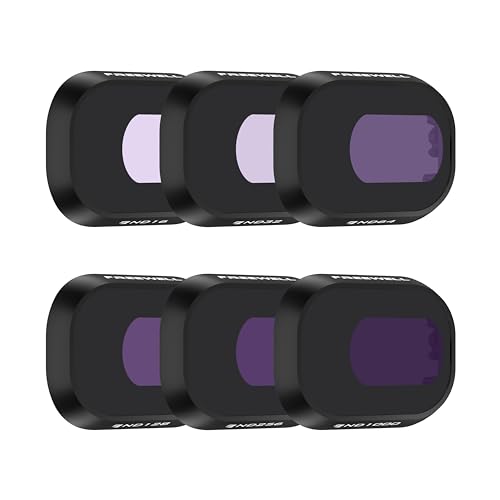
Freewell ND Filter 6-Pack for Mini 4 Pro
Controls shutter in bright UK daylight so sunlit tiles come out clean, not blown out.
Check price on Amazon →And a fast, high-endurance card, because 4K fills storage quickly and a survey you can’t offload is a survey you didn’t do. A proper drone-rated card, not the cheapest one in the drawer.

SanDisk Extreme 128GB microSDXC
Fast, drone-rated card so 4K survey footage records clean and offloads without drama.
Check price on Amazon →Buy vs hire: the honest maths
Here’s the part most buyer guides skip. A capable drone, a spare battery, ND filters, a card and a case is a real outlay — and then you still have to register for an Operator ID, learn to fly it well enough not to hit the chimney, and shoot photos good enough to act on. For a single roof inspection, that’s a lot of cost and learning curve to look at one roof.
If you’re a hobbyist who wants a drone anyway and the roof is a bonus, buy. If you just need to know why a bedroom ceiling has a damp patch, hiring a CAA-certified pilot for a roof survey is usually faster, cheaper and gives you a report you can hand to an insurer or a roofer. Compare that against what a drone roof survey actually costs before you spend three figures on kit — the numbers often make the decision for you.
FAQ
Can a cheap drone really inspect a roof?
Yes — a modern sub-250g drone like the Mini 4 Pro shoots 4K sharp enough to crop into a still and read a cracked tile or slipped slate. The old toy-grade drones can’t; anything on this list can. The limit is usually the pilot’s skill and the weather, not the camera.
Do I need a licence to fly a drone over my own roof?
You need an Operator ID (£12.34 a year) and, for any drone over 100g, a free Flyer ID from the CAA before flying almost any camera drone. Flying over your own property with a sub-250g drone sits in the least-restricted category, but the registration still applies. See our full drone licence guide.
How high can a drone fly for a roof inspection?
The legal ceiling in the UK Open category is 120m (400ft) above the surface. For roof work you’ll be nowhere near that — most inspection passes happen at 10–30m, close enough to resolve detail and well inside the limit.
Should I buy a drone or hire a pilot for one roof?
For a single inspection, hiring a certified pilot is usually cheaper and faster than buying kit, learning to fly and shooting it yourself — and you get a report you can act on. Buy a drone if you want one anyway; hire if the roof is the only reason you’re considering it.
Do I need a thermal drone for roof inspection?
Only for specific jobs — finding damp ingress, missing insulation or flat-roof water tracking, where heat signatures reveal what a normal camera can’t. For spotting cracked tiles and slipped slates, a standard 4K camera is what you want. If heat loss is the question, that’s a thermal imaging survey.
Most people reading this want to know why their roof is leaking, not to take up droning as a hobby. If that’s you, skip the shopping list and get quotes from vetted, CAA-certified pilots — you’ll have your answer before a new drone would even arrive.
More free roof-survey guides: how to photograph a roof, what problems a drone can spot, surveys for insurance & mortgages, inspecting your own roof, and what's in a roof report.
Prices and availability live on Amazon and change often — always check the current price on the listing. Certain content on this page comes from Amazon and is provided "as is". As an Amazon Associate we earn from qualifying purchases.