ND8, ND16, ND32, ND64: Which Drone Filter for Which Light?
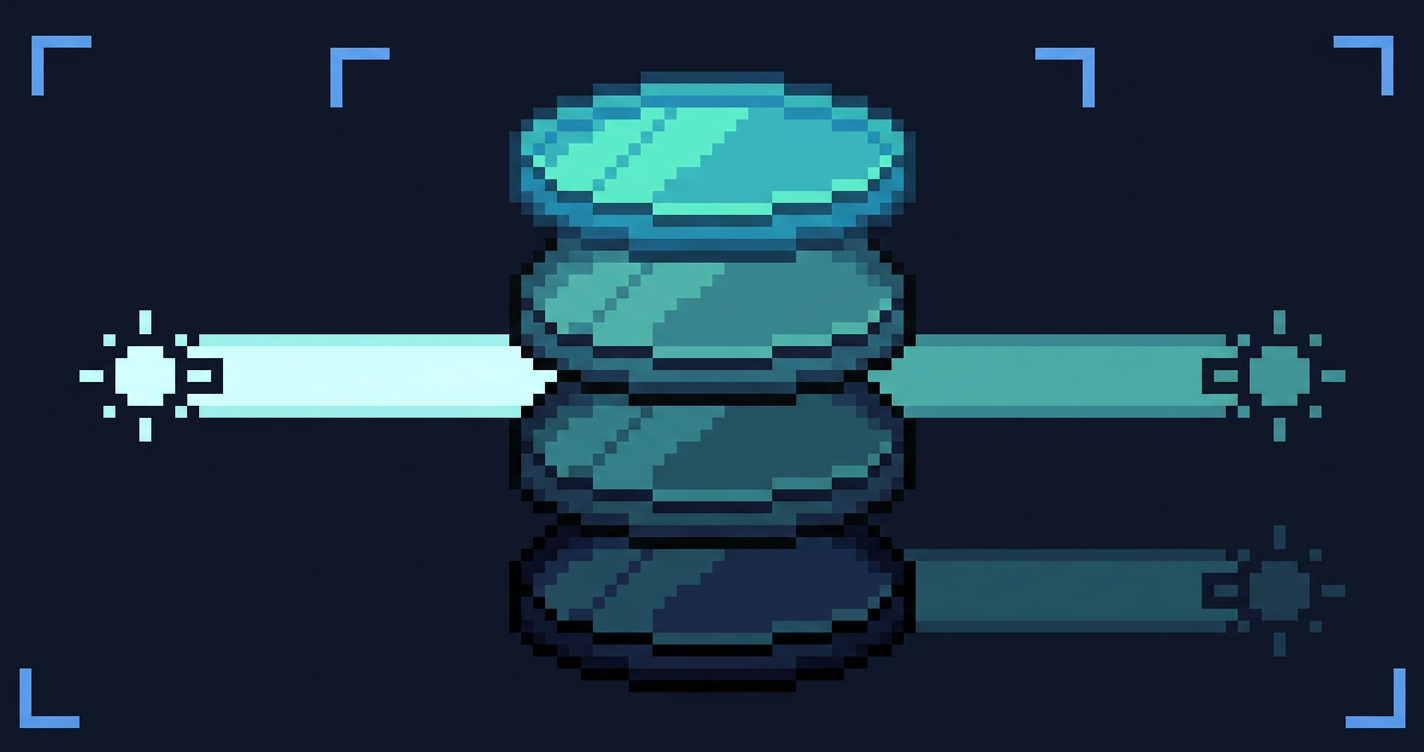
The number on an ND filter tells you how much light it blocks, and the brighter the day, the higher the number you want. As a working rule for UK flying: ND8 for overcast, ND16 for cloudy-bright or hazy, ND32 for proper sun, ND64 for high summer, snow or glare off water. Get the strength roughly right for the sky and your camera can hold the slow shutter that keeps video smooth. Get it wrong and you’re either fighting a blown-out sky or forcing the ISO up in the gloom.
Here’s how to read the numbers and pick the right one without a light meter.
What the numbers mean
Each ND filter blocks a certain amount of light, measured in “stops”. A stop is a halving. The bigger the number, the darker the glass:
- ND8 — blocks 3 stops (lets through 1/8 of the light)
- ND16 — blocks 4 stops (1/16)
- ND32 — blocks 5 stops (1/32)
- ND64 — blocks 6 stops (1/64)
Every jump up the ladder roughly doubles the darkness. So an ND64 is dramatically darker than an ND8 — six stops versus three is eight times less light. That’s why one filter can’t do everything: a filter dark enough for August sun leaves you shooting at silly-high ISO under November cloud.
If the reason any of this matters isn’t obvious yet, the primer on what ND filters do covers why bright light forces the shutter up and ruins the motion in the first place. This guide assumes you’re past that and just want to know which disc to clip on.
The pick-by-conditions table
Look up, judge the light, fit the filter. This is the whole game:
| Conditions | Filter | What you’re dealing with |
|---|---|---|
| Heavy overcast, drizzle, dusk | None or ND8 | Cloud is already dimming everything |
| Bright overcast, cloudy-bright, hazy sun | ND16 | The UK default for much of the year |
| Clear day, strong sun, midday | ND32 | The one you’ll reach for most in summer |
| High summer, snow, sun off water/sand | ND64 | Brutal glare, maximum light |
| Golden hour, sunrise, sunset | ND8 or none | Light drops fast — go lighter than you think |
Two things people get wrong. First, golden hour: the light looks warm and rich but it’s actually weak, so you want a light filter or none — bolt an ND32 on at sunset and you’ll be dragging the ISO up. Second, they overestimate British weather. On a genuinely grey day, no filter at all is often the right call. Don’t fit the dark glass out of habit.
How to check you got it right
You don’t have to guess and hope. After you fit a filter, glance at the shutter speed the camera is using — it’s on screen in the DJI app when you’re in manual or shutter-priority mode.
The target is a shutter of about double your frame rate: shoot 25fps and you want roughly 1/50th, shoot 30fps and you want 1/60th. That’s the shutter speed rule that keeps video smooth, and the ND filter’s entire job is to let you hit it.
- Shutter reads 1/50 or 1/60 with the ISO down at 100 — perfect, you nailed the strength.
- Shutter is way faster (1/500, 1/1000) — your filter is too weak for this light. Go darker: ND16 up to ND32, or ND32 up to ND64.
- Shutter is fine but the ISO has climbed to 400 or beyond — your filter is too dark. Go lighter, or take it off.
Thirty seconds of checking beats bringing home footage you can’t fix. And if the footage still looks off after you’ve matched the filter to the light, the shutter isn’t always the culprit — the jittery-footage checklist runs through props, gimbal and dropped frames too.
A sensible UK kit
You don’t need every strength. Most flyers do everything with two or three filters and a bit of judgement:
- The two-filter kit: ND16 and ND32. Covers cloudy-bright through to strong sun, which is the bulk of usable UK flying weather.
- The four-filter kit: ND8, ND16, ND32, ND64. Adds a genuinely overcast option at the bottom and a snow/sea-glare option at the top. This is the set to get if you fly year-round or near the coast.
Buy them as a matched set from one maker rather than mixing brands — the colour rendering stays consistent between filters, so you’re not re-grading every time you swap. And whatever you fit, keep an eye on it not fogging or smearing; a dirty ND softens the whole image in exactly the light you bought it for.
Note the strengths are also drone-specific in the sense that heavier drones and different sensors can shift the sweet spot slightly, but the ND8-to-ND64 logic holds across the DJI Mini, Air and Mavic line — the same lineup covered in the best drones for beginners guide. Match the number to the sky and you’re most of the way there.
FAQ
What’s the difference between ND8, ND16, ND32 and ND64?
They block progressively more light: ND8 cuts 3 stops, ND16 cuts 4, ND32 cuts 5 and ND64 cuts 6, with each step roughly doubling the darkness. Lower numbers are for dull light, higher numbers for bright sun. You pick the number to match how bright the day is.
Which ND filter should I use on a sunny day?
An ND32 is the usual choice for a clear, bright day with strong sun overhead. If it’s high summer, or there’s snow or glare bouncing off water or sand, step up to an ND64. On merely cloudy-bright days an ND16 is plenty.
What ND filter is best for overcast UK weather?
On bright overcast go with an ND16, and on genuinely heavy grey cloud you often need only an ND8 — or no filter at all, since the cloud is already reducing the light. Fitting a dark filter on a dull day just forces your ISO up.
How do I know if my ND filter is the right strength?
Check the shutter speed in the app after fitting it. You want roughly double your frame rate — about 1/50th at 25fps — with the ISO down near 100. If the shutter is much faster, go darker; if the ISO has climbed to keep exposure, go lighter.
Matched your filter to the light and want the actual set to buy for a Mini-class drone? That’s exactly what the best ND filters for the DJI Mini 4 Pro guide is for.